10% off your project when you book your free estimate online Applies to new customers. Can't be combined with other offers.

Home / Services / Epoxy Garage Floor Coatings

Epoxy Garage Floor Coatings

A tough, easy-to-clean epoxy floor in a decorative flake finish or a solid color — built to stand up to cars, oil, and daily wear.

Current offer 10% off your project when you book your free estimate online Applies to new customers. Can't be combined with other offers.

Get a Free Estimate

Call or text: (651) 321-1803

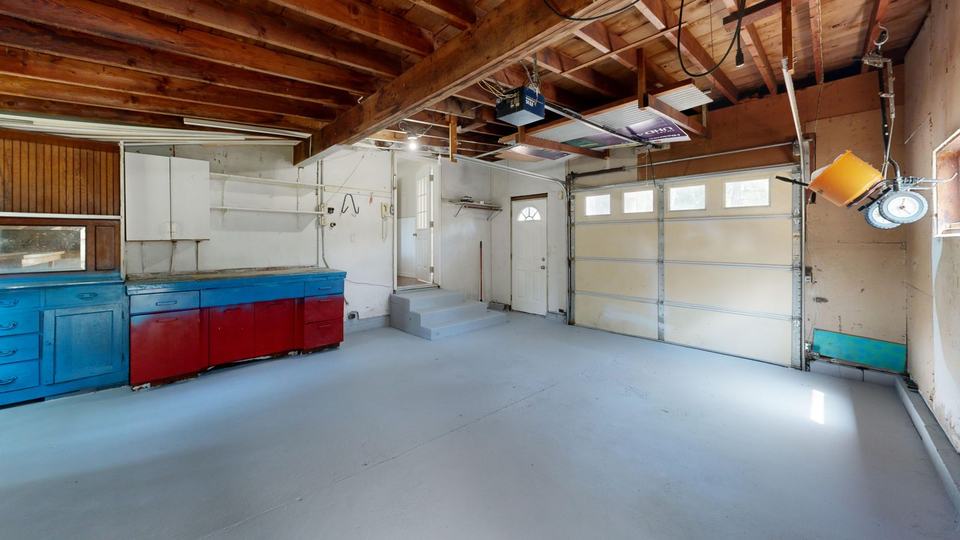
Photo of a residential garage with a smooth, finished floor

What's Included

  • Floor inspection for cracks, spalls, old coatings, and oil stains
  • Moisture check before coating, since moisture is the #1 cause of peeling
  • Mechanical prep: grinding the concrete so the coating can bond
  • Crack and joint repair
  • Base coat, decorative flake (or a solid color if you prefer), and a clear protective topcoat
  • Clean edges at walls and doors, and a full cleanup

The Process

  1. Free estimate We look at the slab, ask about moisture and past coatings, and help you pick a look.
  2. Schedule Cold slows epoxy, so we plan around temperature. Most coatings need a slab at about 50°F or warmer.
  3. Grind and repair Concrete is ground to open the surface, then cracks and chips are filled.
  4. Coat Base coat, flake if you chose it, then a clear topcoat to lock it all in.
  5. Cure and walkthrough We go over the cure times with you, and when it's safe to walk and park on the floor.

Your Options

  • Full flakeThe base is covered with color chips for a speckled, terrazzo-like finish. It hides dust, small imperfections, and tire marks best and adds some grip — a strong choice for a garage that gets daily use.
  • Light flakeA solid base with a light scatter of color chips for a bit of texture and interest.
  • Solid colorOne clean, uniform color. Looks sleek and wipes up easily, but shows dust, scuffs, and tire marks more.
  • Clear topcoatA clear top layer seals the epoxy and makes the floor easier to clean.
  • ColorsPick a base color and a flake blend that suits your garage. We'll bring the options to the estimate.

How to Get Ready

  • Empty the garage completely: cars, shelves, bikes, and storage. The floor has to be clear edge to edge.
  • Tell us about oil stains, leaks, or past coatings, and any floor drain.
  • Plan where the cars will live while the floor cures. See the timing notes below.
  • Keep pets and kids out until the floor has cured.
  • If your garage is unheated, plan for a mild stretch. Most epoxies need slab and air temperatures at about 50°F or above.

Prep, Cure, and Timing

Why moisture and grinding matter

Concrete can pass water vapor up from the ground, and a coating that traps it can bubble and peel months later. Grinding gives the coating a rough surface to grip, which is why professionals prefer it to acid etching. If your slab is damp, we'll tell you before we coat it.

New concrete
Should cure at least 28 to 30 days before it's coated.
Light foot traffic
Typically about 24 hours after the final coat.
Putting things back
Typically around 48 hours.
Driving on it
Typically about 72 hours for standard epoxy, and up to 7 days with some topcoats. Driving on it too early can cause hot-tire pickup.

Typical manufacturer cure times at about 70°F. Cold and damp conditions slow every step, so we'll give you product-specific timing.

Why Ugly Duck

Proper grinding and prep, because the floor is only as good as what's under it.

01

Quality Work

Proper prep and a clean, durable finish. We don't rush the details.

02

Quick Turnaround

A clear schedule, and we stick to it so the project doesn't drag on.

03

Experienced Crews

Over 20 years of painting experience behind the work.

04

Clean Job Sites

Protection first, tidy at the end of each day, and a full cleanup when we're done.

Questions

Do you do lead paint or asbestos work?

No. We don't do lead paint or asbestos work.

How long until I can park on it?

Typically about 72 hours for standard epoxy, and up to a week for some topcoats. Putting a mat under the tires for the first few weeks is a smart habit in cold weather.

Can you coat new concrete?

Yes, but it needs to cure first, usually at least 28 to 30 days, and it needs the right prep. We'll check the slab at the estimate.

Can it be done in winter?

It depends on the garage. Most epoxies need the slab and air at about 50°F or warmer, so an unheated Minnesota garage in January isn't a good candidate. A heated garage, or a spring or fall slot, usually is.

Flake or solid color?

Flake hides dust, scuffs, and tire marks better and adds grip, which makes it a strong choice for a garage that gets daily use. Solid is sleek and shows more wear. We'll bring flake blend and color options to the estimate.